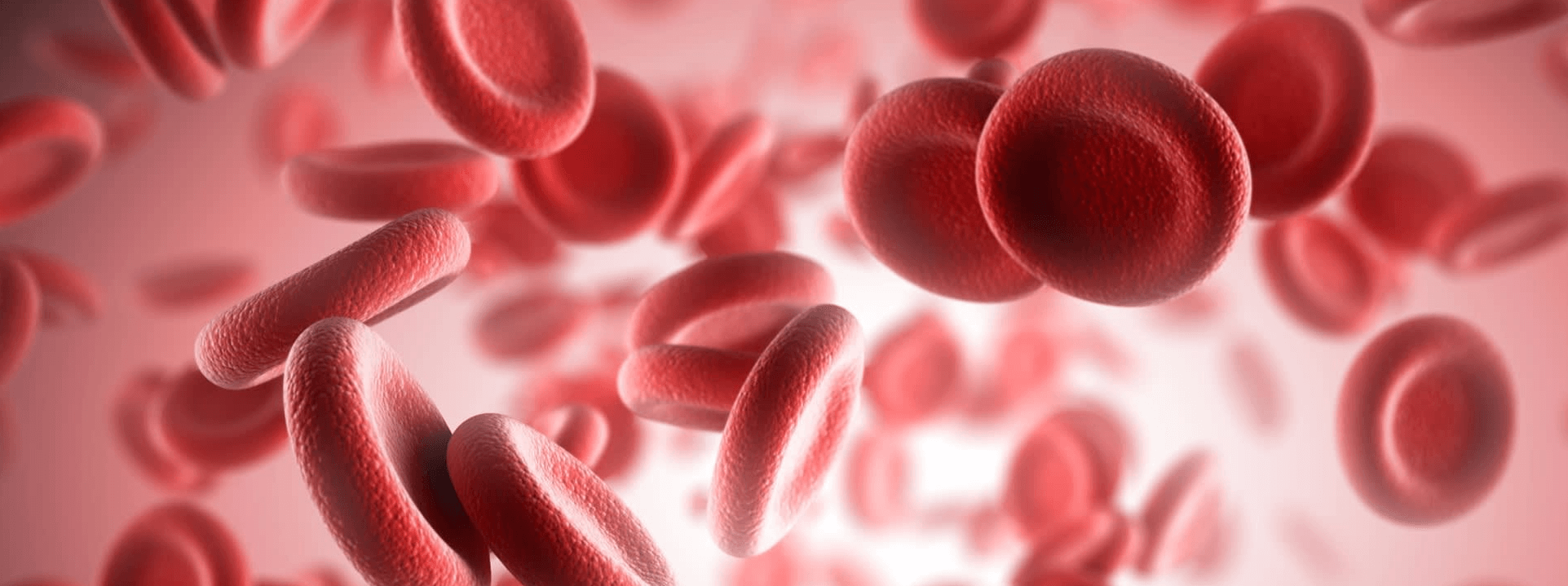


The full blood count is used as a broad screening test to check for such disorders as anaemia (decrease in red blood cells or haemoglobin), infection, and many other diseases. It is actually a group of tests that examine different parts of the blood. Results from the following tests provide the broadest picture of your health.
The full blood count measures:
Lipids and cholesterol are fat-like substances in your blood. Some are necessary for good health, but when you have a high level of cholesterol in your blood, a lot of it ends up being deposited in the walls of your arteries and other vital organs. Lifestyle choices including diet, exercise and alcohol intake can all influence cholesterol levels and your risk of developing heart disease.
This cholesterol test measures:
A blood test is used to find out the level of waste products in your blood and calculate what’s called your estimated glomerular filtration rate (eGFR).
This kidney function test measures:
Your liver processes drugs and alcohol, filters toxic chemicals, stores vitamins and minerals, and makes bile, proteins and enzymes. This liver function test examines enzymes and other markers for evidence of damage to your liver cells or a blockage near your liver which can impair its function.
This liver function test measures:
Blood glucose is generated from carbohydrates and to use this fuel for energy your body needs insulin. With type 2 diabetes the cells either ignore the insulin or the body doesn’t produce enough of it. Glucose then builds up leading to problems with the heart, kidneys, eyes, nerves, and blood vessels.
Iron deficiency is the most common nutritional problem in Australia. It slows your body’s production of haemoglobin, which your red blood cells need to pick up oxygen from your lungs and carry it to every cell in your body. If you have a shortage of iron you experience symptoms of anaemia, which include feeling breathless after little exercise, feeling tired, heart palpitations and looking pale.
The hsCRP test is a highly sensitive quantification of CRP, a protein released into the blood by the liver during inflammation, and has been associated with the presence of heart disease.
This blood test measures:
These bone health markers are part of a complex feedback loop that play a critical role in maintaining bone health. When you don’t get enough calcium, you increase your risk of developing osteoporosis and stress fractures.

Download and print your pathology form from your i-screen dashboard.

Fast from all food and drink (other than water) for at least 8 hours, and no more than 12 hours prior to your test.

Take your form to one of our affiliated collection centres to have your sample taken.

 1 test included
There are medical explanations and labels for many gut problems, but the big exception is Irritable Bowel Syndrome (IBS). Since many gut disorders have similar symptoms to IBS, ruling out...
129 tests includedWe’ve combined our myDNA Comprehensive Check and Genetic Methylation Check to bring you the best of both worlds. This comprehensive DNA panel evaluates genetic variations that influence your body’s ability...
15 tests includedHormones exert powerful effects on the body and have a significant role to play in health and wellbeing. Understanding these roles is important if you’re seeking to proactively manage your...
8 tests includedIf you’re looking for our most comprehensive thyroid panel, this panel includes the thyroid function tests, 3 thyroid antibodies as well as reverse T3.